Articles to Explore
Simple, clear explanations and practical strategies to help you understand and support neurodivergent individuals at home, in school, and in the workplace. Every article is written in warm, accessible language that honours lived experience, reduces overwhelm, and gives you strategies you can use straight away.
Whether you are a parent, educator, leader, or neurodivergent yourself, you’ll find guidance, clarity, and compassion here.
Looking for Something Specific?
If you can’t find what you need, or want an article on a particular topic, just get in touch I’m always happy to help. Contact Me

Understanding Language Processing Disorder: Challenges & Strengths
Language Processing Disorder (LPD) represents a distinct form of auditory processing difficulty, characterised by the brain's impaired ability to interpret and comprehend spoken language. It is important to note that LPD is not associated with auditory deficits; rather, it pertains to the cognitive processes involved in understanding and processing auditory information. Consequently, individuals with LPD may encounter significant challenges in following conversations, recalling instructions, or comprehending speech delivered at a rapid pace.
Understanding Dyscalculia: Challenges & Strengths
Dyscalculia is a specific learning difference that impairs an individual's capacity to comprehend and engage with numerical information. Often referred to as “mathematical dyslexia,” this condition is distinct yet equally significant as dyslexia or ADHD. Dyscalculia influences the neurological processing of numerical data, patterns, and mathematical concepts.

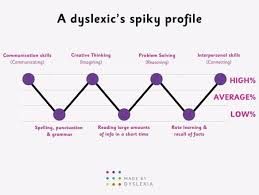
Hidden Talents: The Power of Spiky Profiles in Neurodivergence
A spiky profile, common in neurodivergent individuals, means having dramatic abilities across the spectrum, excelling in some areas while significantly struggling in others. Recognising these unique skill patterns is crucial for fostering strengths-based support and unlocking true potential, rather than focusing only on deficits.
Find More Articles Here
Understanding ADHD: Challenges and Strengths - Attention-Deficit/Hyperactivity Disorder (ADHD) is a neurodevelopmental condition that affects how the brain develops and functions from childhood through adulthood. While it is often associated with inattention, impulsivity, and hyperactivity, ADHD is far more complex than a list of symptoms.
Understanding Autism: Challenges and Strengths - Autism, officially recognised as Autism Spectrum Condition (ASC) or Autism Spectrum Disorder (ASD), is a lifelong neurodevelopmental condition that influences individuals’ perceptions of the world and their interactions with others. It is typically characterised by variations in social communication and the presence of repetitive or patterned behaviours, in addition to distinctive methods of sensory and physical processing.
Understanding Dyslexia: Challenges and Strengths - Dyslexia is one of the most common neurodivergent conditions, affecting how a person processes written and spoken language. While often associated with difficulties in reading, writing, and spelling, dyslexia extends beyond literacy challenges. It reflects a different way of processing information, with unique strengths as well as obstacles. Importantly, intelligence is not affected by dyslexia, and many individuals demonstrate exceptional creativity, problem-solving ability, and innovative thinking.
Understanding OCD: Challenges and Strengths - Obsessive-Compulsive Disorder (OCD) is a neurodivergent mental health condition distinguished by the presence of intrusive and unwelcome thoughts (obsessions) alongside repetitive actions or rituals (compulsions). These behaviours typically emerge as a means to alleviate, diminish, or counteract anxiety. OCD can manifest in individuals across all demographics, irrespective of age or background, and its effects can range from minor inconveniences to considerable obstacles in daily functioning.
Address: Portsmouth, United Kingdom